What colours is it best for?
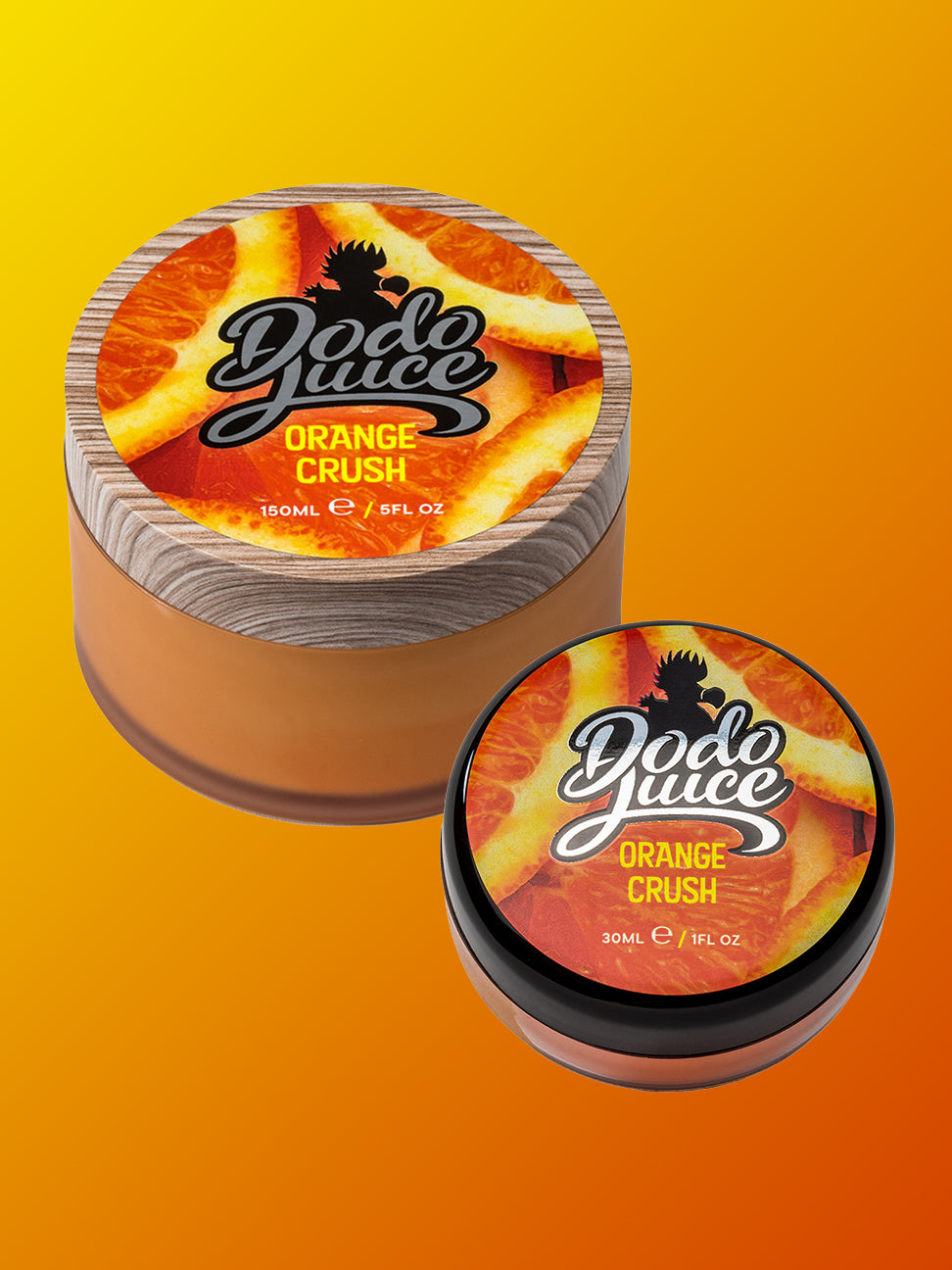
Warm shades – reds, yellows, oranges, beiges, gold... you get the idea. This is because it contains yellow beeswax, a dash of orange oil and some suitable dye to give it its distinctive hue.
Can I use it on other coloured cars?
Of course, but it may give a yellowish tinge to white cars and Purple Haze or Blue Velvet will give marginally better results on dark colours as they contain deeper-coloured dyes - especially if the paint has a metallic or pearlescent flake.
Is it durable?
It is for a carnauba wax, 2–3 months is typical - longer if the car is covered or garaged. For longer lasting or more durable waxes look at a hybrid wax like Scarlet Fever.
Is it easy to apply?
Yes, use a foam pad and apply thinly. A little goes a long way. Don't rush the process and enjoy it.
Can I apply it with fingertips and palms?
Sure, assuming you don't have sensitive skin or allergies, go ahead and spread the wax thinly over the paint by hand. It's like a massage for your car. Don't overapply the wax though, it will take too long to cure and may rehaze later.
How many coats from a small 30ml jar?
In our experience, you can get 3-4 coats on an average sized car from one of the 30ml jars. If you only get one coat, you're probably using too much product.
Hard vs Soft Wax - which one for you?
Softer waxes are easier to spread by palm or fingertips. Hard waxes often cure faster and go further, because they are less likely to be accidentally over-applied. Both contain similar amounts of carnauba and beeswax and performance will be similar. Harder waxes may cure better if you are new to waxing, so these may seem to offer more performance. And soft waxes may feel glossier due to their 'sorbet' like texture. It often comes down to personal preference - there's no right or wrong with wax texture, it just comes down to what you like.