Which bar do I use first?
Always start with the fine (yellow) grade. Only go to medium if the fine grade isn’t removing enough contamination, or if the paint can handle the extra aggression and you'll be polishing afterwards anyway.
Should I clay after every wash?
No, only use it when the paint feels rough and if you're sure the paint can take it (hard German paint should be fine, and use Born Slippy, too). Every 6-12 months or when recoating a wax or sealant is a good interval.
What’s clay best at removing?
Detailing clay will tackle iron fallout, tar specks, tree sap and even light overspray spots - as well as general embedded grime.
Will it remove swirls?
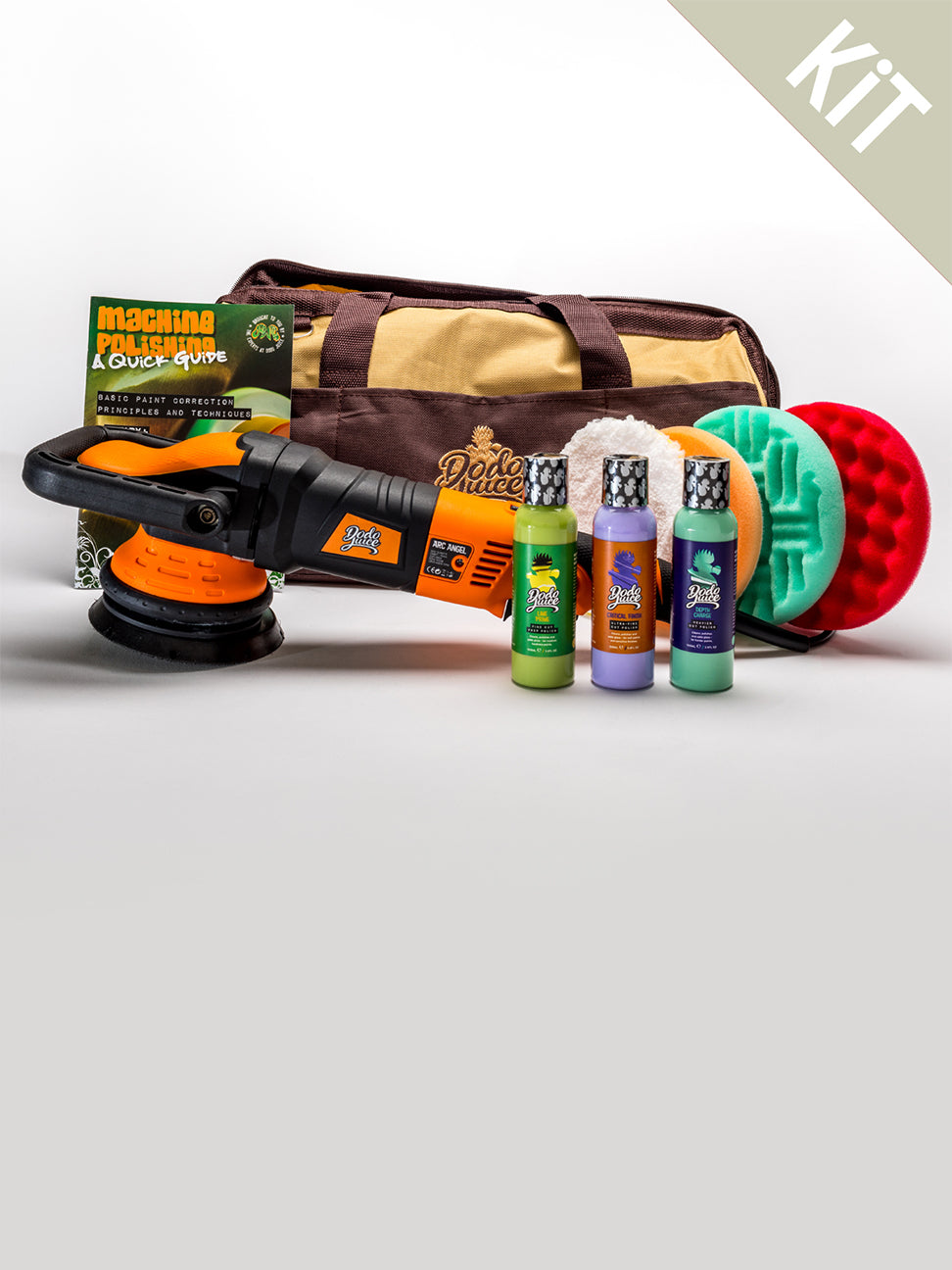
Not at all. It is a deep cleanse of the paint, plucking and shearing contaminants that are stuck into the paint surface and cannot clean 'sub-surface' contamination deep within the paint or polish out swirls. You will need a polish (or ideally machine polisher kit) to remove swirls.
What is the point of claying?
Claying removes the particles stuck into paint that feel rough to the touch; these not only prevent your paint shining fully but they also attract further contaminants - and if you don't remove them they can be pushed deeper and deeper into the paint and become more embedded. So pluck and shear them out with clay, it's effectively a deep clean of your paint. Your paint will feel silky and smooth after, repelling dirt better and shining harder than before.
What if I see a matt or mottled appearance to the gloss paint after claying?
This is clay marring, a minor paint defect that normally looks far worse than it really is. In effect, it is a grazing of the paint caused by a harsh clay, lack of clay lubrication, too much pressure or an unsympathetic technique on delicate paint... don't panic, it polishes out really easily by hand or machine; try Critical Finish with a Blue Roo applicator pad if you don't have a machine polisher and your glossy paintwork should return a few passes later.